Abstract (IT): A journey into the heart of the Campidano to discover Sanluri, a village that combines the medieval history of its famous castle and the heritage of Eleonora d'Arborea to traditional houses in ladiri. An itinerary between cobbled alleys, commercial dynamism, oenological excellence such as Sanluri Monreale DOC and the great tradition of white art with the typical civraxiu.
Abstract: A journey into the heart of the Campidano to discover Sanluri, a village blending the medieval history of its famous castle and the legacy of Eleanor of Arborea with traditional raw-earth houses (ladiri). An itinerary through cobblestone alleys, commercial vibrancy, wine excellences such as Sanluri Monreale DOC, and the rich heritage of local artisanal breadmaking, featuring the traditional civraxiu.
When thinking about a travel to Sardinia, the mind immediately runs to crystal clear beaches and postcard coasts. Ma the island preserves a deep soul, made of villages rich in history, secular traditions and hills that smell of wheat and wine. Living right next door, i learned to know and love these places away from the busiest routes, and Sanluri: travel in the heart of the Campidano between history, cobbled and authentic flavors to surprise those who want to discover the authentic side of our territory.
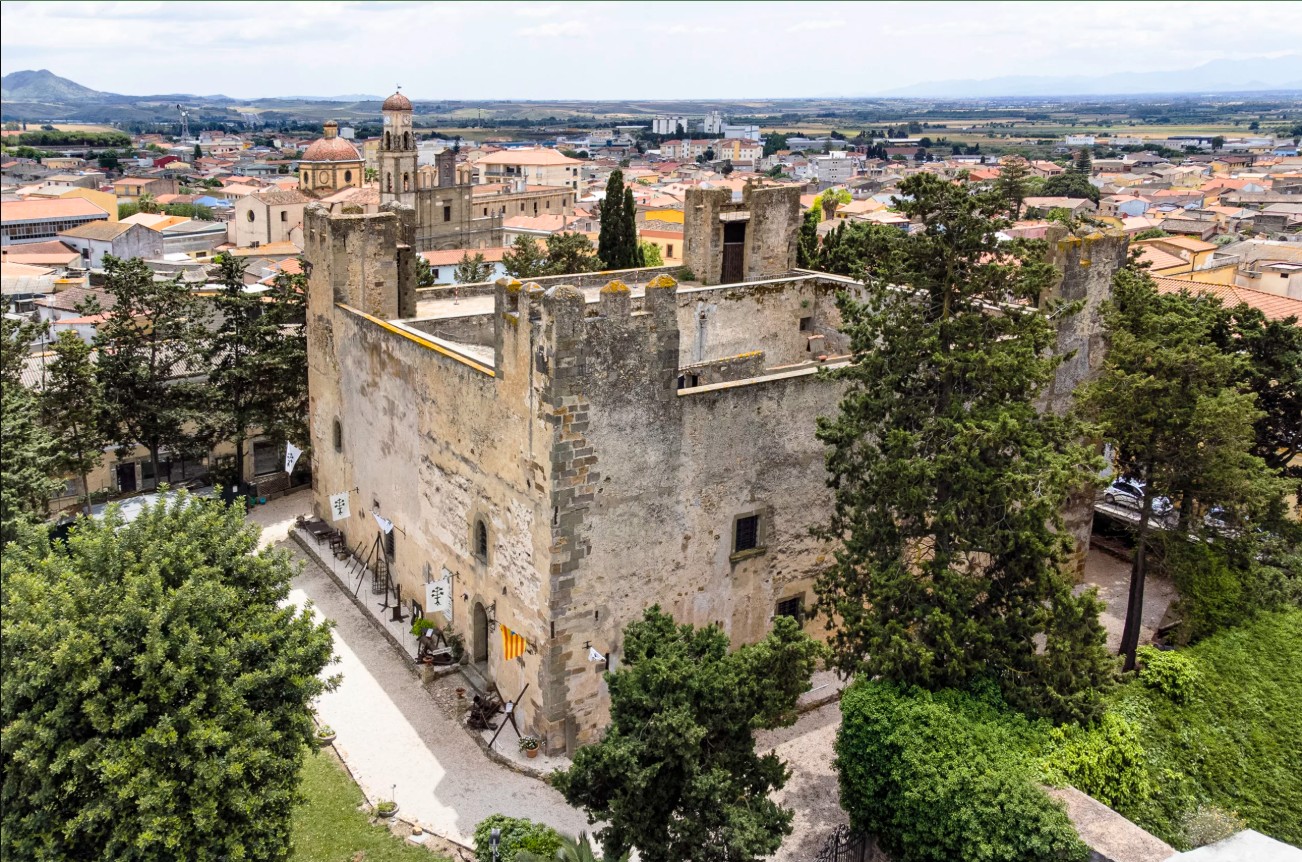
The undisputed symbol of the city is its magnificent castle, the only medieval fortress of Sardinia still fully furnished and habitable today. Its imposing walls tell centuries of history, from judging struggles to the famous and tragic Battle of Sanluri of 1409, in which the army of the Judge of Arborea fought with the Crown of Aragon. Walking through these rooms and visiting the spaces that host collections of ancient weapons and historical relics, it is impossible not to perceive the echo of a great epoeia.
Speaking of these places inevitably means summoning one of the most powerful and enlightened female figures of European average: Eleonora d'Arborea. Although its main power center was Oristano, Eleonora's inheritance abounds strongly throughout the territory. Extraordinary Sovereign, was the main creator of the update and promulgation of the Carta de Logu, one of the most advanced laws in Europe. Written entirely in Sardinian language to be understood and applied directly by the people, this monumental text guaranteed state-of-the-art civil rights for the time, protecting even women and introducing innovative penises to the logic of private revenge.
If the castle tells the great pages of history, they are the alleys of the ancient part to reveal the most intimate and collected soul of the village. Walking in this area of the country, you will be gladly lost among the characteristic traditional cobblestones, made with smooth stones that tell the slow pace of past generations and give the historical center a timeless atmosphere. On the sides of the stone streets follow the ancient campidanese houses in ladiri, the typical raw earth bricks dried in the sun, whose imposing wooden portals often contain inner courtyards (practising) a time full of agricultural activities and today transformed into oasis of flourished peace. The walk can also touch the Parish Church of San Lorenzo, of medieval origins, and go up to the Capuchin Complex and the Civic Historical Museum, custodian of the testimonies of peasant and local artisan life.
Sanluri is not only an open-air museum or a immobile village in the past, but a town with economic and commercial fabric among the most dynamic and vital of the area. Historically considered a strategic commercial crossroads in the heart of the Campidanese plain, today perfectly combines the tradition of artisan shops and markets to a modern and sparkling commercial offer. Walking through the shopping streets and stopping in the bars and cafes of the center means immersing yourself in a lively and welcoming atmosphere, breathing that warmth typical of the most authentic centers of Sardinia.
You can not then leave Sanluri without mentioning its extraordinary wine tradition. The territory is famous for the production of Sanluri Monreale DOC, a fine wine and particularly appreciated in its liqueur or passita version, which is rooted in the agricultural history of the area. A visit to the local wineries offers the perfect opportunity to taste this nectar accompanied by the excellent products of the territory, from traditional cheeses to artisan breads, in a real sensorial journey among the flavors of our land.
Entering the stage of Sanluri and Marmilla (of which I will speak in a dedicated article) also means immersing yourself in the extraordinary tradition of Sardinian white art and discovering the civraxiu (♪), the typical bread par excellence of these areas (extended traditionally also at the Campidano, Trexenta, Sulcis and Sarrabus).
- A legendary origin: The popular tradition tells that the name derives from a legend dating back to more than two thousand years ago, born from the encounter between a Roman soldier named Ciro and a young local named Vargiu, who would hand over the secrets of breadmaking.
- The "weekly bread": Known historically as ♪ and considered the bread of the poor, was consumed above all by the peasants. Thanks to its great texture and skillful processing, it managed to keep soft and fragrant for many days.
- The ingredients of tradition: The original recipe provides very few genuine elements, linked to the earth: durum wheat semolina, water, salt and the mother yeast (on fermentu or ♪), handcrafted before cooking in traditional ovens.
From a practical point of view, Sanluri is easily reached by car along the SS 131, about forty-five minutes from Cagliari. Just a stone's throw away Barumini and its famous nuragic treasures, adding Sanluri to the itinerary is a perfect move to complete the day. Moreover, half a day is enough and advances to live the best of the village: you can start in the morning visiting the imposing medieval castle, continue lost in the rooms of the suggestive Museum of the Bread and conclude the experience by immersing yourself in the first person in tradition with a artisan bread workshop, where the hands go back to kneading the story. Every moment of the year can give unique emotions, but spring and autumn offer wonderful colors in the surrounding countryside, ideal for lovers of slow tourism and outdoor walks.
Sanluri is much more than just a destination to visit: it is an experience that combines the power of medieval history to the warm reception of Sardinian rural and commercial tradition.
And you, have you ever explored the historic villages of Campidano? Contact me for more info